
The "Wild West" era of Australian e-biking has officially come to an end. For years, the sight of high-powered electric bikes humming along coastal paths and city streets was a sign of a growing transport revolution. But as we move through 2026, that revolution is being met with a wave of new regulations, federal import bans, and aggressive roadside enforcement.
If you’ve noticed more police activity on your local bike paths or heard whispers of bikes being "crushed" in New South Wales, you aren't imagining it. The rules have changed, and for many riders, the bike they bought online two years ago might now be a legal liability.
At Ezriderz, we’ve always believed that e-bikes are the ultimate solution to traffic, parking, and carbon footprints. However, that freedom relies on riding a machine that is safe, compliant, and recognized by the law.
In this guide, we’re breaking down exactly what is happening with the 2026 crackdown and how you can ensure your ride stays on the right side of the law.
The first line of the 2026 crackdown isn't on the road; it’s at the docks. The Australian Government has moved to align strictly with the European EN 15194 standards.
What does this mean for you? It means that Customs and the Department of Transport now treat any e-bike that doesn't meet these specific standards not as a bicycle, but as a motor vehicle.
To be imported as a bicycle in 2026, an e-bike must:
Bikes that exceed these limits: especially those with 1000W motors and hand-throttles that act like motorbikes: are now effectively banned from being imported as bicycles. If you try to bring one in privately, or buy from a non-compliant overseas drop-shipper, you risk having the shipment rejected or seized at the border.
New South Wales has taken the most aggressive stance in the country. If you’re riding through Sydney or coastal hubs like Byron Bay, you may encounter police equipped with portable dynamometers (dynos).
These devices allow officers to test the actual motor output and the speed at which the assistance cuts off right there on the roadside. If your bike is found to be "hot" (modified to exceed 25 km/h) or exceeds the power limits, the consequences are severe.
Under current NSW enforcement protocols, police have the power to:
Furthermore, NSW is transitioning toward a strict 250W limit for all road-legal e-bikes. While there is a grace period for some existing 500W "EPAC" bikes until March 2029, the window is closing. If you are buying a bike today, riding anything that isn't strictly compliant is a gamble with your wallet and your ride.

North of the border, Queensland has introduced its own set of strict measures. As of July 2024 and continuing into 2026, the focus in the Sunshine State has shifted to who is riding and where.
Key changes in QLD include:
It can be confusing, especially when many "off-road" bikes are sold with settings that can be toggled. Here is a quick checklist to see if your current bike might put you at risk during a 2026 roadside check:

Beyond the risk of police seizure, riding an illegal e-bike carries a massive financial risk that most people don't consider: Insurance.
If you are involved in an accident while riding a non-compliant e-bike, your insurance (home, contents, or personal liability) is almost certain to be voided. Because the bike is technically an "unregistered motor vehicle," you could be held personally liable for thousands of dollars in medical bills or property damage.
Then there is the safety factor. Many "illegal" high-powered bikes use generic, uncertified lithium batteries. These are the primary cause of the e-bike fires you see in the news. A compliant bike isn't just about following rules; it's about ensuring the battery between your legs isn't a fire hazard.
At Ezriderz, we’ve built our reputation on high-performance machines, but we’ve also built them on responsibility. We understand the Australian landscape better than anyone because we live here, ride here, and design here.
How we protect our riders:

The 2026 crackdown is designed to weed out dangerous, low-quality, and excessively fast "e-mopeds" that pose a risk to the public. For the responsible e-bike community, this is actually a good thing: it ensures that our paths stay safe and that e-bikes remain a respected form of transport.
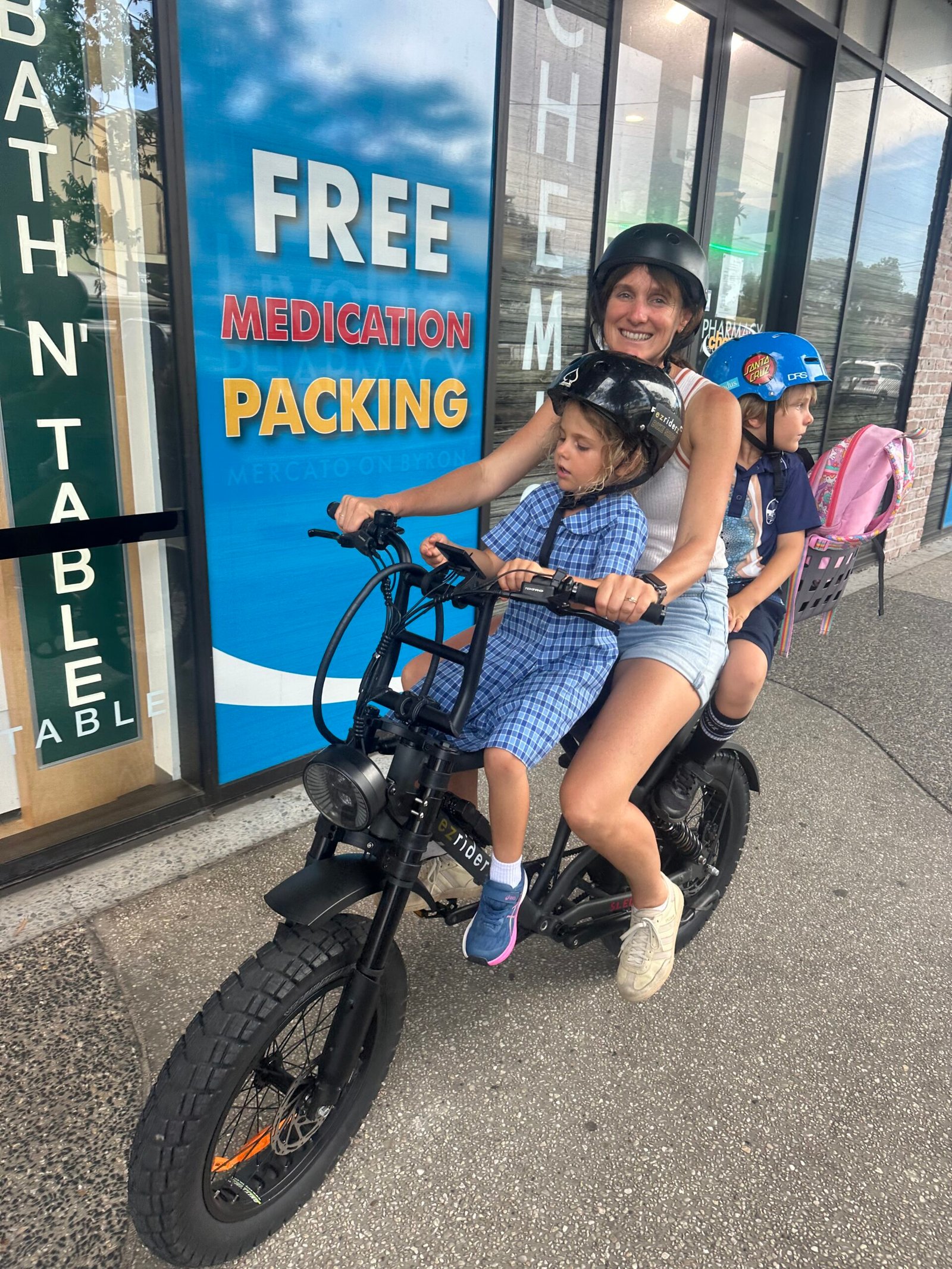
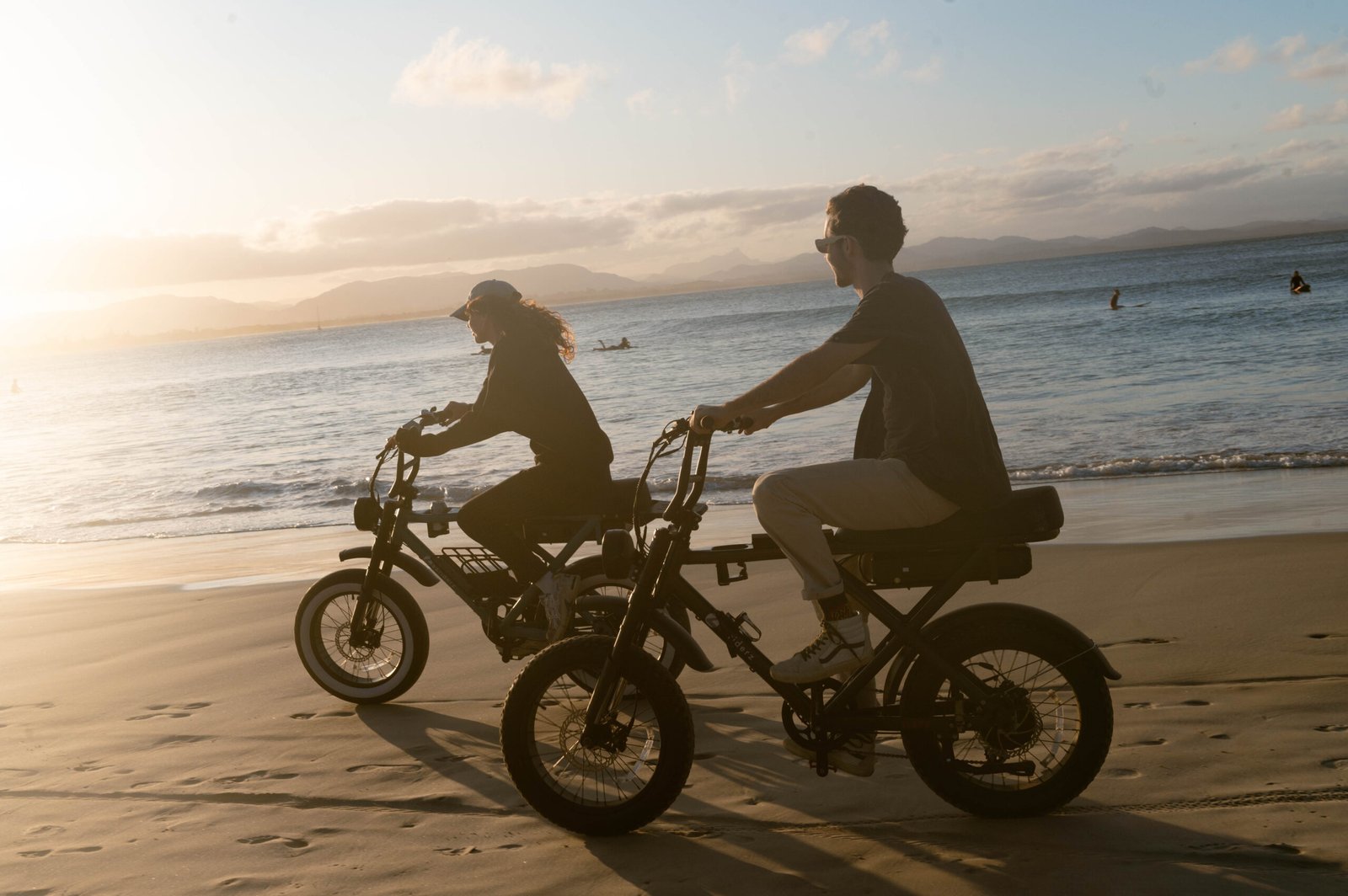
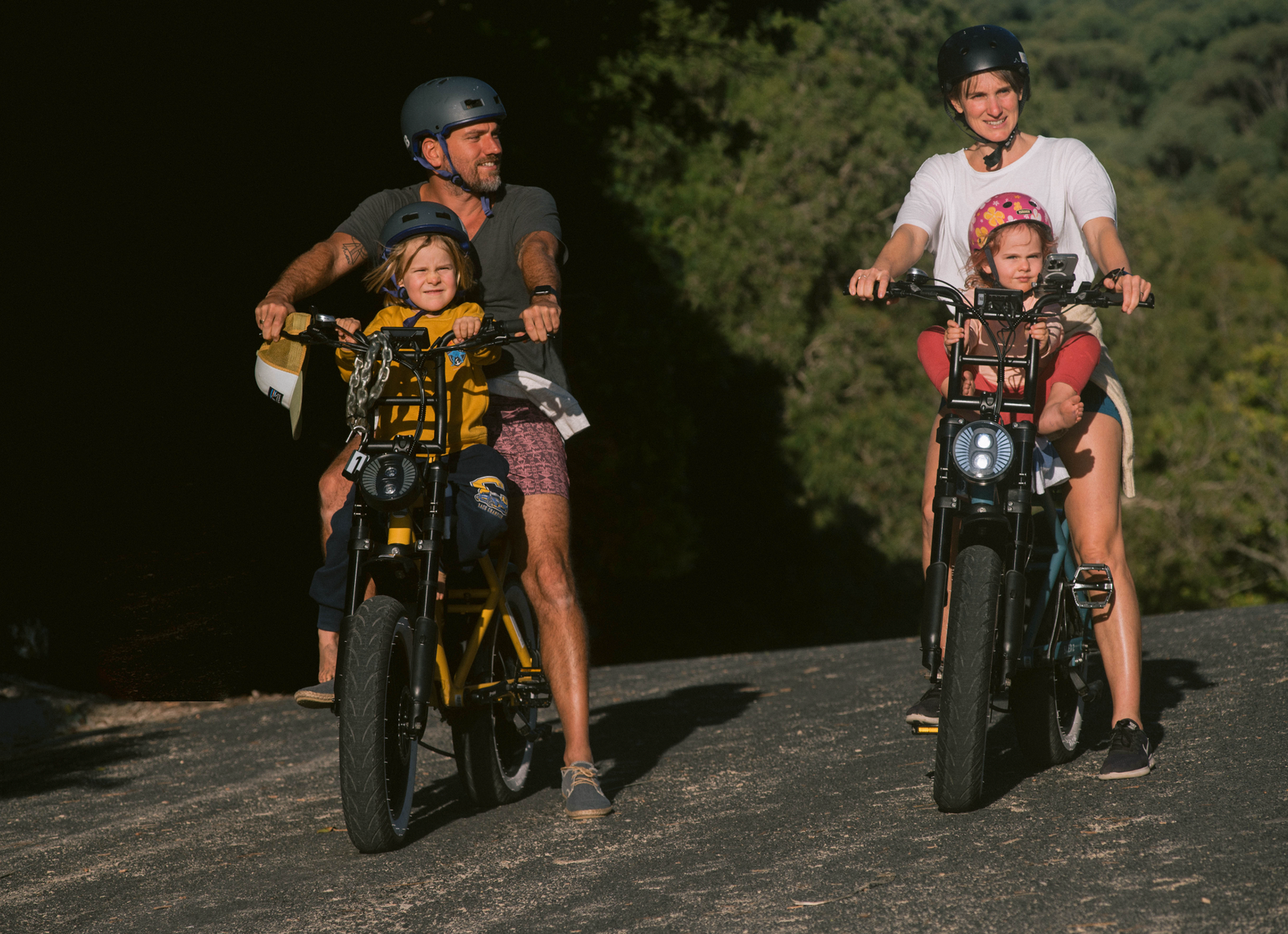
Don't let your investment be crushed or confiscated. Whether you're doing the school run, commuting to work, or hitting the beach, make sure you're doing it on a bike that was built for the Australian environment and the Australian law.
Confused about your bike’s compliance? Come visit us at the Ezriderz Garage in Byron Bay or reach out to our team. We’ll help you navigate the new rules and make sure your next ride is 100% stress-free.